
Use cases
Volatility pays out differently depending on what you own.
The trading logic is shared across all of them. What changes is where the headroom hides, what it costs to move, and which constraint bites first.

E-BOILERS · DISTRICT HEAT
The heat network is already a battery.
Thermal storage lets you buy power in the cheap and negative hours and deliver heat when it's actually needed. The two schedules never had to match hour for hour.
- Heat demand forecast
- Buffer state as constraint
- Fuel-switch economics
Wind Power
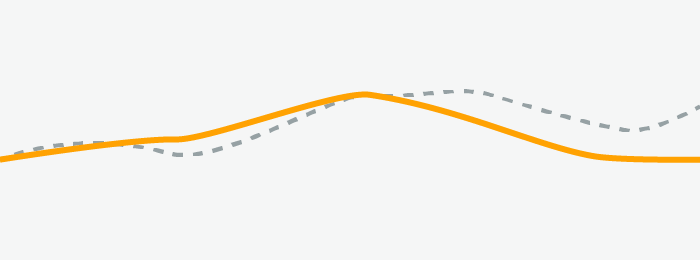
Trade the forecast error, not just the output.
The gap between what you sold day-ahead and what the turbines will actually do is a position. Close it early and cheaply, or carry it into imbalance and find out.
- Rolling production forecast
- Imbalance exposure priced
- Continuous re-hedging
BATTERIES · BESS
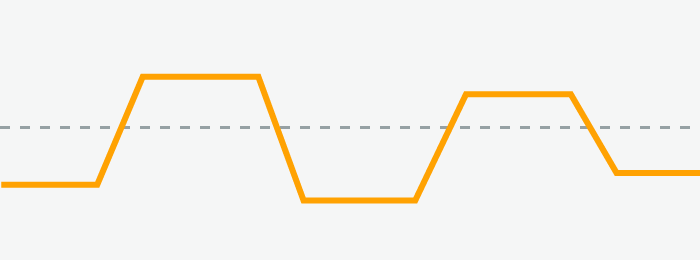
Cycles are finite. Spend them on the volatile hours.
The binding constraint isn't power, it's how many cycles you're willing to burn and what each one has to earn to justify the degradation.
- State-of-charge aware
- Cycle cost in the objective
- Intraday + reserve stacking
Data Centers
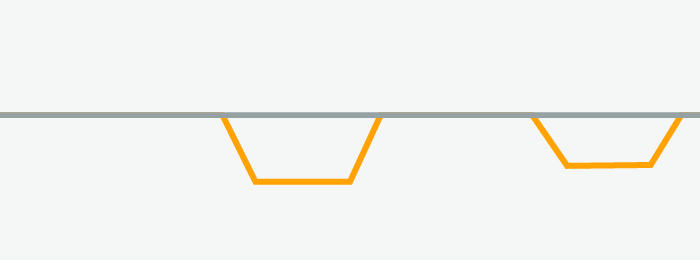
Small, shiftable, and worth more than it looks.
Nobody is stopping a workload for a price signal. But deferrable compute, cooling setpoints and backup headroom add up to a position worth trading in the spiky hours.
- SLA-safe curtailment windows
- Cooling + UPS headroom
- Grid-fee aware
Data Centers
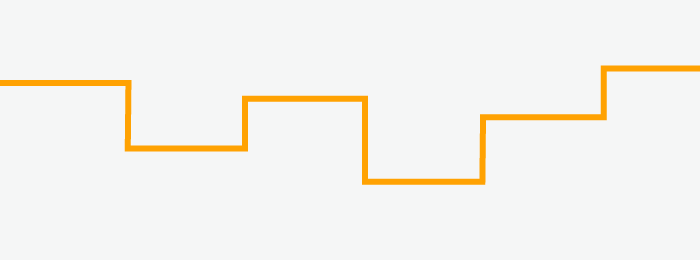
Any process that can throttle on purpose.
Pulp and paper, cold stores, chemicals, CHP, EV depots, smelting. Wherever a process can hold output while shifting when it draws power, there's a position hiding inside the operating envelope.
- Ramp + minimum-load limits
- Production targets protected
- Constraint-aware scheduling
Data Centers
If it can move a megawatt on purpose, it's tradeable.
Tell us the process and its real constraints and we'll tell you honestly whether the volatility is worth chasing — including when the answer is no.